
Key takeaways
- Tinnitus is hearing a sound, such as ringing, buzzing or humming, that isn't coming from around you.
- There is no universal cure, but hearing aids, sound therapy and lifestyle changes can make it easier to manage.
- Tinnitus often comes with hearing loss, which is why hearing aids can help many people.
- Tinnitus in one ear, tinnitus that pulses with your heartbeat, or tinnitus with dizziness should be checked by a doctor.
Have you ever noticed a ringing, buzzing, or humming sound in your ears, even when everything around you is quiet? You may be experiencing tinnitus, a common hearing-related condition that can affect concentration, sleep, and everyday comfort.
For some people, tinnitus is a minor distraction. For others, it can become a persistent source of frustration, particularly at night or in quiet environments.
The good news is that although there is currently no universal cure for tinnitus, there are ways to manage its symptoms. Hearing aids for tinnitus, sound therapy, and simple lifestyle adjustments may help reduce how noticeable and disruptive these sounds become.
At Hear & Co, our hearing clinic in Ancaster, we help patients better understand their hearing health and explore personalized solutions for managing tinnitus.
What is tinnitus?
Tinnitus is the experience of hearing a sound that isn't coming from an external source. Although it's commonly described as ringing in the ears, it can also sound like buzzing, hissing, humming, clicking, or whooshing.
Tinnitus can affect one or both ears, appear occasionally, or remain present throughout the day.
Several factors may contribute to tinnitus, including:
- Age-related hearing loss.
- Exposure to loud music or noisy environments.
- Excessive ear wax buildup.
- Certain medications.
- Ear-related medical conditions.
- Head or neck injuries.
Stress, fatigue, and poor sleep can also make existing tinnitus symptoms feel more noticeable.
Because tinnitus has several possible causes, identifying any underlying hearing or medical issues is an important first step.
Learn more about hearing loss and tinnitus at Hear & Co.
Can hearing aids help with tinnitus?
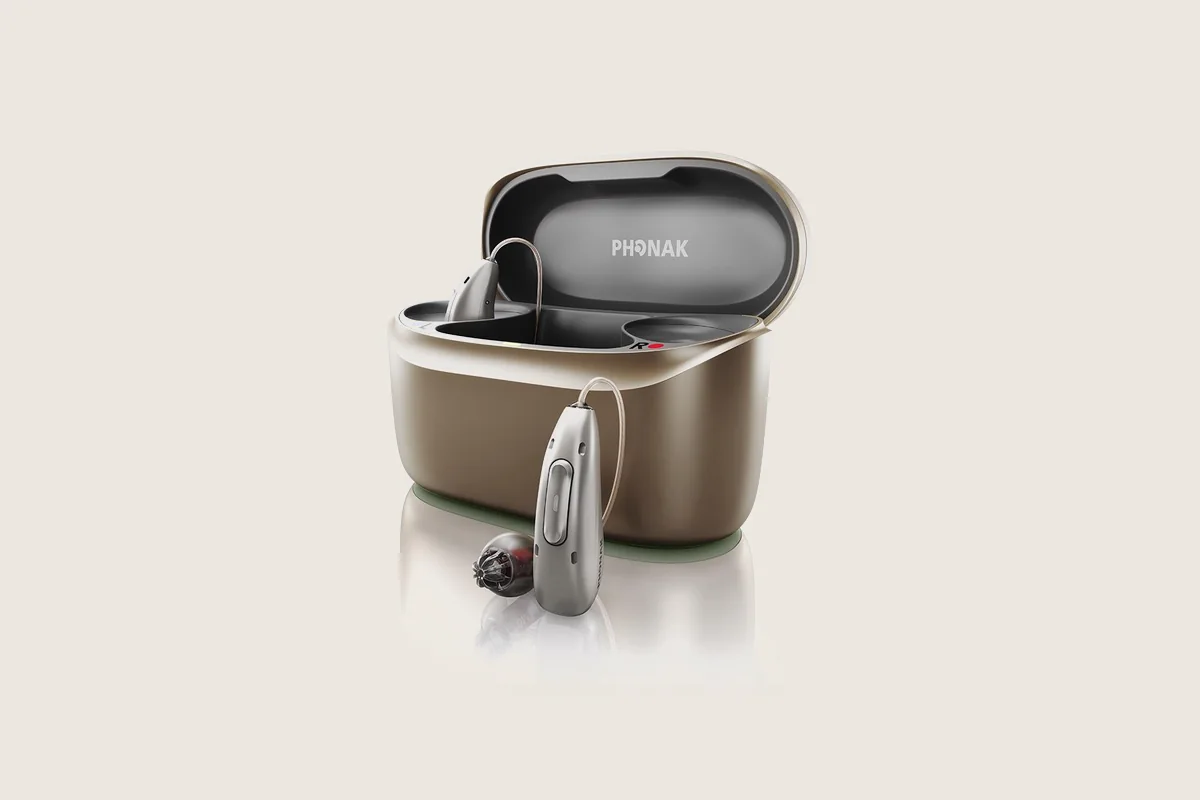
Hearing aids for tinnitus can be an effective management option, particularly for people who also experience hearing loss.
Tinnitus frequently occurs alongside hearing loss. When the ears receive less sound information, changes in how the brain processes sound may contribute to the perception of ringing or buzzing.
Hearing aids amplify everyday sounds, such as conversations, music, and background activity. This additional sound can make tinnitus less prominent and help shift attention away from it.
Some modern hearing aids also include tinnitus-management features that produce gentle background sounds to help reduce the contrast between tinnitus and the surrounding environment.
Although hearing aids do not cure tinnitus, they may make symptoms easier to manage while improving overall hearing and communication.
Not everyone with tinnitus needs hearing aids. A professional hearing assessment can help determine whether they may be appropriate for you.
Wondering whether hearing aids could help your tinnitus?Book a hearing assessment at Hear & Co and talk through your options.
5 practical ways to manage tinnitus
While hearing aids can play an important role, there are several additional strategies that may help make tinnitus less disruptive.
1. Add gentle background sound
Tinnitus often becomes more noticeable in quiet environments, especially when trying to fall asleep.
Introducing soft background sounds, such as a fan, nature sounds, or low-volume music, can help reduce the contrast between tinnitus and silence.
2. Protect your hearing from loud noise
Repeated exposure to loud environments can contribute to hearing damage and may worsen tinnitus.
Consider hearing protection when attending concerts, using power tools, or participating in other noisy activities. Keep personal listening devices at comfortable volumes.
3. Manage stress and prioritize sleep
Stress and fatigue can make tinnitus more difficult to ignore.
Relaxation exercises, mindfulness, consistent sleep routines, and regular physical activity may help reduce the distress associated with tinnitus.
4. Pay attention to your symptoms
Some people notice that their tinnitus becomes more prominent after poor sleep, periods of stress, or certain lifestyle habits.
Keeping track of when symptoms become more noticeable may help you identify patterns and discuss them with your hearing healthcare professional.
5. Explore professional tinnitus management
If tinnitus affects your sleep, concentration, or emotional well-being, professional support can help.
Depending on your symptoms, management may include hearing aids, sound therapy, education, or referral to another healthcare professional. Cognitive behavioural therapy (CBT) can also help reduce tinnitus-related distress.
When should you get your tinnitus checked?
Occasional ringing after loud noise exposure can happen, but persistent or recurring tinnitus deserves attention.
A hearing assessment can identify hearing loss, check for ear wax buildup, and help determine appropriate next steps.
If tinnitus occurs in only one ear, pulses with your heartbeat, or is accompanied by dizziness, seek medical assessment. Sudden hearing loss, with or without tinnitus, requires urgent medical attention. Do not wait for a routine hearing appointment.
Tinnitus support at Hear & Co in Ancaster
If you're experiencing tinnitus or wondering whether hearing aids could help, the team at Hear & Co is here to support you.
Our independent hearing clinic provides hearing assessments, hearing aid consultations, and personalized recommendations based on your hearing needs.
We offer complimentary hearing tests for adults aged 55 and older, along with hearing aid demonstrations to help eligible patients explore available options.
Conveniently located at 7-1100 Golf Links Road, Ancaster, Ontario, our hearing clinic in Ancaster serves patients throughout Ancaster, Hamilton, Dundas, and surrounding communities.
Take the first step toward better hearing and tinnitus management. Book your hearing appointment online at Hear & Co or call 289-246-8005 to learn more.

Written by Mackenzie Walsh, Hearing Instrument Specialist at Hear & Co. Hear & Co is a modern, independent hearing clinic at 7-1100 Golf Links Road in Ancaster, with state of the art testing equipment and hearing aids from six leading brands. About us
Image: jcomp / Magnific